Investigate
Start with the problem that keeps returning and the value already inside the business, then look for what the available evidence suggests is holding it in place.
Time Bridges · A practice led by Isaac Nsubuga
You hired capable people. You added software. You built a customer base. But questions still find their way back to you. Follow-up happens inconsistently. Opportunities sit untouched. And the work you expected the business to carry keeps returning to your plate.
The problem may not be that the business needs more. It may be that the people, systems, and relationships you already paid for still need your attention to produce their full value.
None of these things are catastrophic on their own. Together, they reveal where the business is still borrowing capacity from its owner.
Generic systems often introduce someone else's process. New platforms create another place for work to sit. And most delegation advice overlooks the hardest part to transfer: the judgment your customers are paying for.
You want the business to depend less on you without becoming less like you.
A problem that keeps returning is rarely a motivation problem. More often it is a decision no one is clear on, ownership that was never assigned, a missing rule for when to escalate, a customer relationship nobody is responsible for continuing, a handoff that quietly breaks, or technology carrying a process that was never actually defined.
Operational Anchor · Method prototype
“I know everything comes back to me, but I cannot see exactly why.”
Operational Anchor is a prototype built to give owners shared language for examining that question — where recurring decisions still depend on one person.
Start with the problem that keeps returning and the value already inside the business, then look for what the available evidence suggests is holding it in place.
Choose the one next decision the available evidence supports, without treating a hypothesis as a result.
Put the change into real use, observe what it reveals, then determine what consequence the evidence supports — and what remains unverified.
The Constraint Evidence Diagnostic is one 90-minute focused session on a single recurring operating problem. It looks at what value is already present, what the available evidence suggests is constraining it, what that may be costing in time and capacity, what remains unknown, and the next decision worth making.
90 minutes · Written Constraint Evidence Brief · $500
Bring the Problem That Keeps ReturningThe diagnostic may recommend installation, another intervention, further investigation, a referral, or no additional work.
If evidence shows recurring decisions still depend unnecessarily on you…
A six-week fixed engagement that may be the next step: clarifying who owns which decisions, setting escalation thresholds, and installing the execution standards a team needs to act consistently.
$7,500
Six weeks · a separate engagement, recommended only when the diagnostic supports it
The objective is not to remove you from the business. It is to stop using your attention where your judgment is no longer required.

What was established: A weekly release cadence became possible at solo scale, with consistent characters and tone across episodes.
What remains to be tested: Public episode-level audience and conversion data are not available.
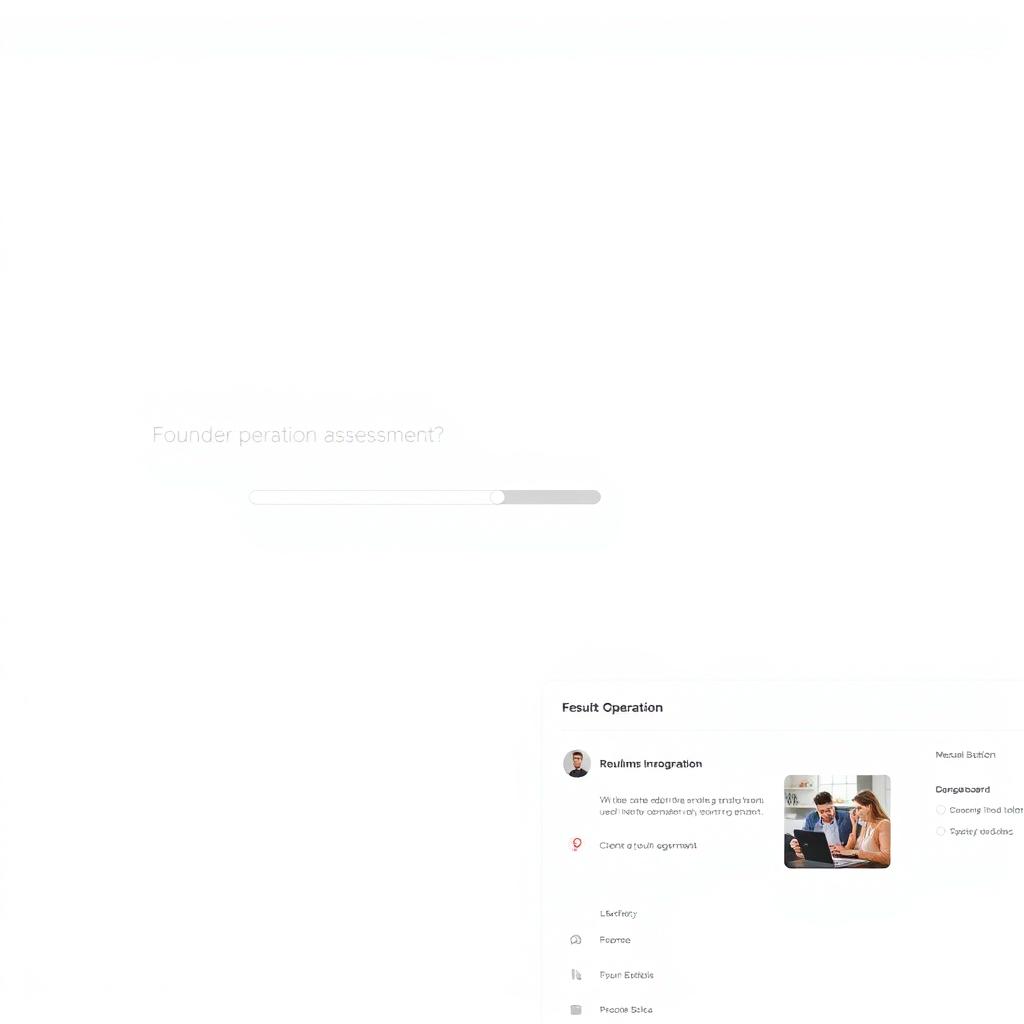
What was established: Designed to turn a respondent's answers into a structured diagnostic readout. Completion time, founder adoption, and subsequent business outcomes remain unverified.
What remains to be tested: The constraint framing is a design hypothesis. Completion time, founder adoption, reuse of the vocabulary, and subsequent business outcomes remain unverified.

What was established: Non-designers can produce a short comic that carries a difficult conversation, in minutes.
What remains to be tested: Clinical adoption, facilitated-session feedback, and longitudinal outcomes have not yet been measured.
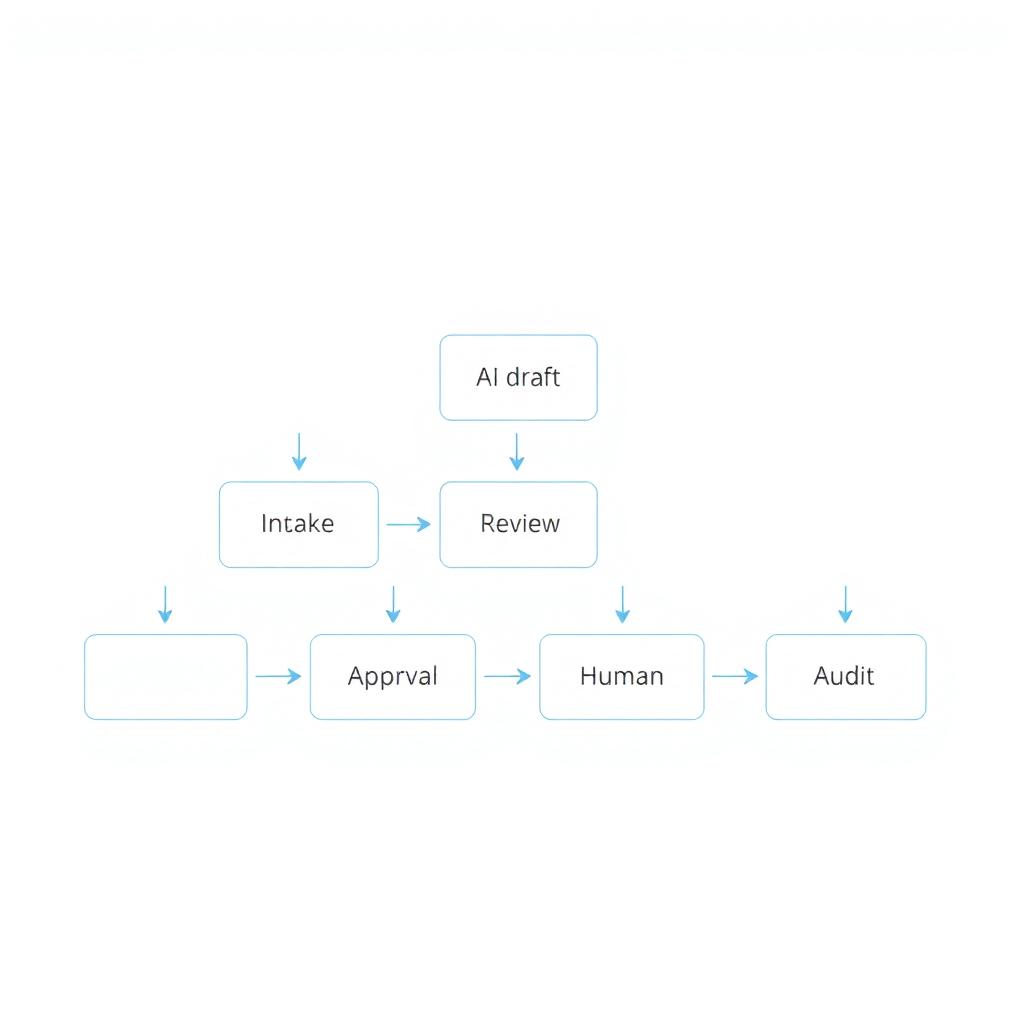
What was established: The documented evidence is the workflow and governance artifact: a human-in-the-loop map, no-go guidance, and training material for responsible review.
What remains to be tested: Deployment, routine use by a pilot team, operational outcomes, compliance outcomes, and quantified savings have not been verified.
The judgment behind the practice
Time Bridges is led by Isaac Nsubuga. Two decades of nursing and healthcare leadership taught one discipline above all: investigate before prescribing. The same discipline now carries into creative strategy, grant writing, AI product development, and responsible technology adoption — understand the real problem first, then recommend a next step the evidence can support.
The same evidence-led work can clarify approval paths, governance, handoffs, funding readiness, and responsible technology implementation.
Time Bridges · Isaac Nsubuga